Bui National Park, Ghana: Conservation Challenges and Collaborative Solutions
The Bui National Park in Ghana is a unique refuge for numerous endangered species, including birds of prey, hippopotamuses, and various antelope species. Despite its enormous ecological value, the park faces significant challenges due to human activities and the Bui Dam, which was constructed only a few years ago.
Beginning of a Cooperation
We are currently in the process of establishing a cooperation with the Wildlife Division of the Forestry Commission and other local partners. This collaboration serves as a foundation to jointly develop and implement sustainable conservation measures over the long term.
Impact of the Bui Dam
The construction of the Bui Dam has profoundly altered Bui National Park. The creation of the reservoir flooded large areas (about 20% of the park’s total area) and forced several communities to relocate. These changes have had lasting effects both on the natural landscape and the social structures of the affected people. The dam’s impact on the Black Volta ecosystem is especially dramatic: habitats of key species, such as the African hippopotamus, were severely affected, leading to a significant decline in their population. Furthermore, the altered water regime has had negative consequences for fish stocks and the surrounding vegetation. While the dam plays an important role in Ghana’s sustainable energy supply, its environmental balance is ambivalent and poses an additional challenge to conservation efforts in Bui National Park.
Significant Problems Due to Illegal Activities
Unfortunately, many parts of Bui National Park are currently “silent” due to illegal activities: this means they are largely devoid of animals, with even insects barely present. Illegal settlers engage in agriculture, including livestock farming, causing habitat loss and fragmentation. Waste left by settlers and visitors further burdens the environment. Additionally, illegal logging, poaching, a lack of environmental awareness among the population, and small-scale mining threaten flora and fauna and complicate conservation efforts.
Focus on Species Conservation
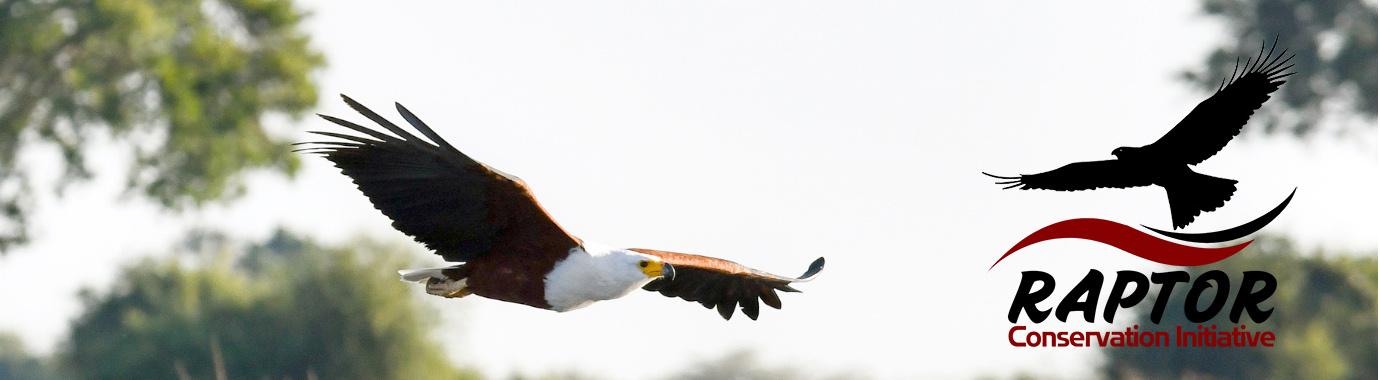
We primarily focus on protecting endangered birds of prey as well as other key species such as hippopotamuses and antelopes. A core part of our work is establishing a modern rescue and rehabilitation center where injured birds of prey receive medical care, rehabilitation, and preparation for release. In addition, we implement comprehensive monitoring programs to assess populations and threats, allowing conservation measures to be precisely targeted. Another emphasis is on securing and restoring habitats essential for the survival of biodiversity in Bui National Park. These measures form the basis for the park’s long-term ecological preservation and strengthen the ecosystem’s resilience against human impacts and environmental changes. In this context, we also seek cooperation with other NGOs.
Research and Science
In collaboration with local and international universities and research institutions, we employ modern methods such as GPS tracking, remote sensing, genetic analysis, and environmental monitoring to gain a comprehensive understanding of animal population dynamics and their habitats. Through scientific support and the involvement of local communities in citizen science projects, we promote environmental awareness and increase acceptance of conservation measures locally. Our research provides the foundation for evidence-based conservation strategies and supports sustainable park planning.
Sustainable Ecotourism
Sustainable tourism is considered an integral part of the conservation concept. By developing eco-lodges that offer nature-based stays and authentic wildlife experiences, we generate financial income that flows directly into conservation projects. Guided wildlife viewing tours, birdwatching, cultural encounters with local communities, and educational programs increase the park’s visibility and create value chains for local communities. The aim is to design tourism in an ecologically sustainable way that preserves the natural environment while generating socio-economic benefits for the local population.
Networked Partnerships for the Future
The cooperation between RCI, the Wildlife Division of the Forestry Commission, and local stakeholders and communities is still in its early stages but holds great potential for effective and sustainable implementation of conservation and development goals. Through close collaboration, all parties aim to utilize synergies, develop joint strategies, and build long-term partnerships. The goal is to establish Bui National Park as a model region for innovative conservation, scientific research, and sustainable development.